KARATE THAT GROWS WITH YOUR CHILD
Whether your child is naturally shy, easily distracted or full of energy, BX1 provides a structured place to practise confidence, focus, resilience and respect while learning genuine martial arts skills.
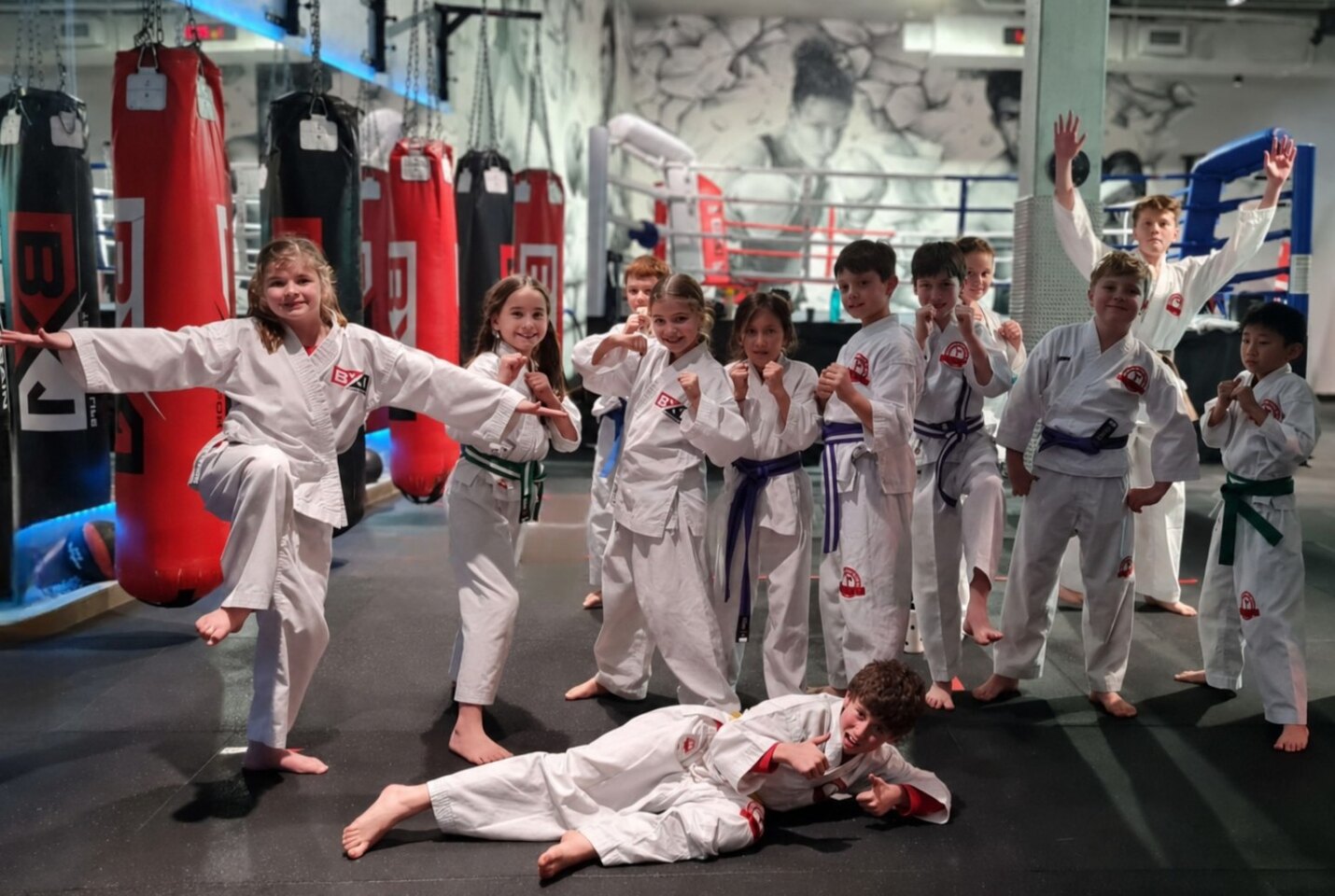
BX1 Kids Karate in Neutral Bay welcomes complete beginners and children with previous experience. Every class combines purposeful learning with energy and enjoyment, giving children an engaging challenge that keeps them motivated.
Our age-specific Little Ninjas, Little Samurai, Red Dragons and Teen Karate programs develop coordination, fitness and control alongside habits children can practise at school and home: listening carefully, staying with a difficult task, managing their energy and treating other people respectfully. Every BX1 Kids Karate class is built around Karate fundamentals and also incorporates selected age-appropriate Taekwondo kicking and movement skills.
Self-defence is taught responsibly, with a strong focus on confidence, awareness and good judgement. Children learn to stay calm, recognise unsafe situations, set clear boundaries, seek help from trusted adults and use physical skills with control. This gives them practical strategies for responding to bullying and the confidence to stand up for themselves while choosing calm, safe responses.
Established in 2013, BX1 is an award-winning, female-founded and independent gym welcoming families from Neutral Bay, Mosman, Cremorne, North Sydney and across Sydney’s Lower North Shore.
Eligible families can also review NSW Active and Creative Kids voucher information, including current eligibility and redemption conditions.
SEE BX1 KIDS KARATE IN ACTION
See how BX1 children build confidence, focus, coordination and practical martial arts skills through structured, age-appropriate karate training.
The emphasis is on genuine technique, safe coaching, steady progression and enjoying the process.
4 AGE-SPECIFIC KARATE PROGRAMS
The pathway is continuous, but the way karate is taught changes as children grow.
Little Ninjas
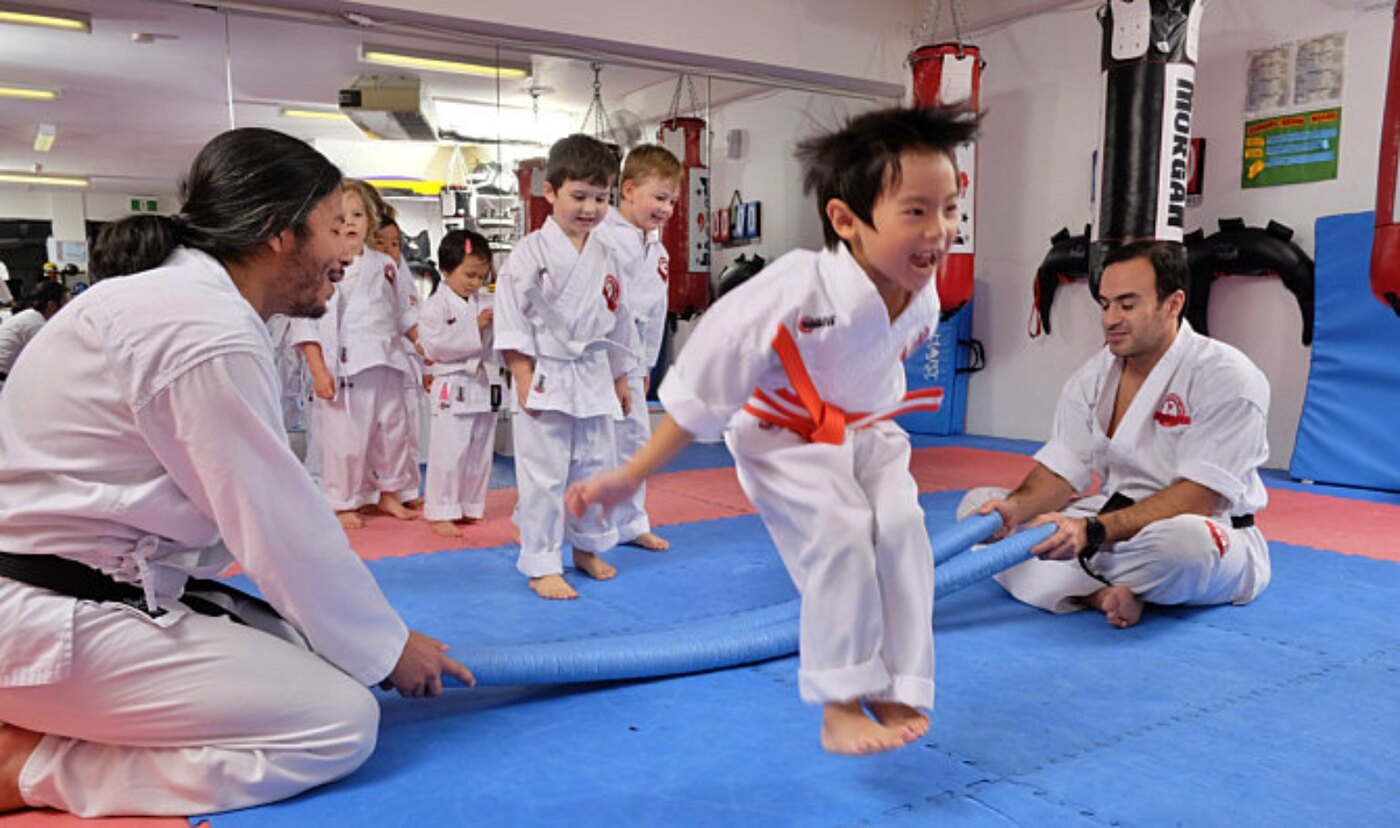
BX1’s preschool martial arts program is a playful first step into Karate. Children build listening skills, confidence, balance, coordination and body awareness through short, structured Karate and Taekwondo activities designed for preschool attention spans.
Little Samurai
Children establish strong Karate and self-defence foundations while extending their Taekwondo kicking and movement skills through technical drills, partner activities and energetic challenges that develop focus, discipline and responsible behaviour.
Red Dragons
Students develop more advanced Karate technique, combinations and practical self-defence while improving control, coordination and confidence. Taekwondo kicking and movement skills broaden their striking ability.
Teen Karate
Teenagers combine practical self-defence with progressive Karate and selected Taekwondo movement skills, building strength, flexibility, agility, resilience, self-discipline and greater responsibility for their development.
Age is the starting guide. Class placement may also consider readiness, behaviour, previous experience and progression so each child trains in the most suitable group.
BENEFITS OF KARATE AND MARTIAL ARTS FOR KIDS
Karate & Taekwondo Skills
Karate stances, strikes, blocks, movement, combinations and syllabus skills are taught progressively. Every age group also practises selected Taekwondo kicking and movement skills, with attention to balance, form and control.
Practical Self-Defence
Children develop awareness, boundaries and age-appropriate physical responses while learning that avoiding conflict and seeking help come first.
Confidence & Character
Consistent practice and achievable challenges help develop focus, discipline, respect, resilience and belief in what effort can accomplish.
Fitness & Coordination
Active classes develop balance, agility, flexibility, strength, body awareness and coordination in ways appropriate to each age group.
THE WEEK
Karate lessons at BX1 also include a weekly life-skill theme through our Word of the Week. Ideas such as respect, focus, perseverance, courage, teamwork and self-control are introduced in language children can understand.
Coaches reinforce the theme during training, helping children connect what they practise in the dojo with choices they make at home, at school and with other people.
THE WEEK
EFFORT AND CHARACTER MATTER
Captain of the Week recognises positive behaviours such as effort, careful listening, kindness, courage, teamwork and helping others, giving character and contribution the same importance as technical ability.
The role gives children an achievable opportunity to be noticed for how they train and how they contribute to the group, reinforcing that leadership begins with everyday choices.
THE RULES OF RESPECT: DOJO ETIQUETTE
Traditional routines give children simple, repeatable ways to practise focus, courtesy and responsibility in every class.
Bowing & Greeting
Students bow when entering and leaving the training area. This traditional sign of respect also marks the transition from outside distractions to attentive training.
First-Time Listening
When a Sensei gives an instruction, students practise stopping, looking, listening and responding promptly—useful habits for the dojo, school and home.
Supporting Others
Students use their skills responsibly, encourage training partners, welcome beginners and help create a respectful environment where everyone can learn.
The Gi & Belt
The traditional Karate uniform, or gi, creates a shared sense of belonging and readiness to train. Caring for the gi and learning to tie the belt build independence, organisation and pride in earned progress.
Comfortable sports clothing is suitable for the first trial. As children continue, the uniform creates a sense of belonging and the belt represents their current stage of learning and earned progress.
WHAT TO EXPECT AT THE FIRST KARATE CLASS
A Simple, Comfortable Start
Beginner-Friendly
Complete beginners are warmly welcomed. The coach introduces the class structure and adapts activities to age, confidence and ability.
What To Wear
Comfortable sports clothing is ideal for a trial. Classes are barefoot and your child should bring water. The team will explain the Karate uniform as your child continues.
What They Will Do
The class may include movement, karate technique, pads or targets, age-appropriate partner drills, fitness activities and a clear lesson focus.
KARATE GRADING & BELT PROGRESSION
Progress Earned. Moments Remembered.
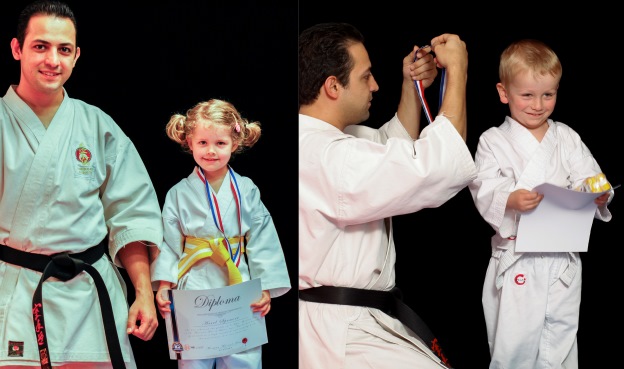
BX1 karate students follow a clear belt pathway. Four grading periods are held each year, generally towards the end of each school term. Grading is optional and by invitation.
Meeting the minimum class requirement means a child can be considered for grading. Invitations and belt progression also reflect their instructor’s assessment of skill, control, understanding and readiness for the syllabus at the next level.
WHAT DEVELOPS THROUGH THE BELT PATHWAY
This parent overview presents the broad development stages. Instructors teach the detailed techniques and requirements progressively according to each program, belt and stripe.
Starting Foundations
Children learn the class routine, dojo rules, listening habits, safe behaviour, balance, basic stances, movement and controlled introductory Karate and Taekwondo techniques.
Building Momentum
Students develop stronger blocks, strikes, kicks and combinations, more controlled partner work, improving physical fitness, memory, focus and self-defence awareness.
Advanced Development
Students work towards greater technical accuracy, reaction, control and consistency while applying more demanding syllabus skills and taking greater responsibility for their training.
Leadership & Long-Term Commitment
The Black Belt pathway requires mature control, detailed syllabus knowledge, sustained effort and positive leadership, including completion of BX1’s Senpai pathway.
A CLEAR GUIDE FOR EVERY BELT
The separate BX1 Karate Grading guide contains the complete belt order and minimum class commitment table for Little Ninjas, Little Samurai, Red Dragons and White Tigers. It also explains readiness, invitations, grading periods, fees and what families can expect on grading day.
THE BX1 SENPAI LEADERSHIP PATHWAY
Senior Students Learning To Guide And Give Back
What Does Senpai Mean?
In Japanese, senpai describes a more experienced senior student who supports newer students and leads through positive example. At BX1, the Senpai pathway gives eligible students supervised opportunities to develop leadership, communication and responsibility while assisting alongside a qualified Sensei.
Students may begin training as a Senpai when they are at least 9 years old, are training in Red Dragons or White Tigers, and have reached a minimum of Blue Belt. They learn how to assist alongside the instructors in younger classes, particularly Little Ninjas ages 3–5 and Little Samurai ages 6–8.
After completing at least 50 supervised assisting sessions, students earn the Senpai Dragon badge, which they can proudly wear on their gi. Completing the Senpai program and earning the badge form part of BX1’s pathway towards Black Belt.
The program develops patience, communication, responsibility and leadership by giving senior students the opportunity to encourage younger children while continuing their own training.
MEET THE BX1 KARATE SENSEI
Long-Standing Coaches Parents And Children Can Know
At BX1, Sensei is the respectful Japanese title used for a teacher. Bill Sensei, Carlos Sensei and Tony Sensei combine decades of experience to shape the curriculum, align grading standards and guide students through demonstrations, leadership opportunities and suitable competition pathways. Their shared focus is strong fundamentals, responsible control and progress that suits each child.
 BX1 Since 2013
Bill Sensei
For more than a decade, Bill Sensei has been a familiar and trusted face to generations of BX1 students and families.
Born in Japan and training in martial arts since 1967, Bill brings more than 50 years of experience to the mat, including 35 years teaching Shinbukan Japanese Classical Martial Arts. What matters most to our students is the way he teaches.
Bill has a calm, patient approach with children and believes every student can make progress in their own way. He takes the time to encourage them, challenge them when they are ready and help them build confidence one step at a time. His great sense of humour also brings plenty of smiles to the mat.
Over the years, Bill has supported children with disabilities and young people experiencing serious mental-health challenges. Through patient guidance, meaningful goals and a strong sense of community, he has helped many young people find confidence, discipline, resilience and a place where they belong.
Bill’s Japanese family heritage includes samurai ancestry and a family crest, giving him a deeply personal connection to the traditions he has spent a lifetime studying and sharing. Respect, perseverance, humility and looking after one another remain central to his teaching. As students mature, his experience in classical Japanese martial arts and traditional weapons also offers another carefully taught pathway at BX1.
His genuine values, warmth and encouragement have made Bill an inspiring mentor to generations of students. He has spent a lifetime learning martial arts and decades helping young people grow.
 With The Program Since 2013
Carlos Sensei
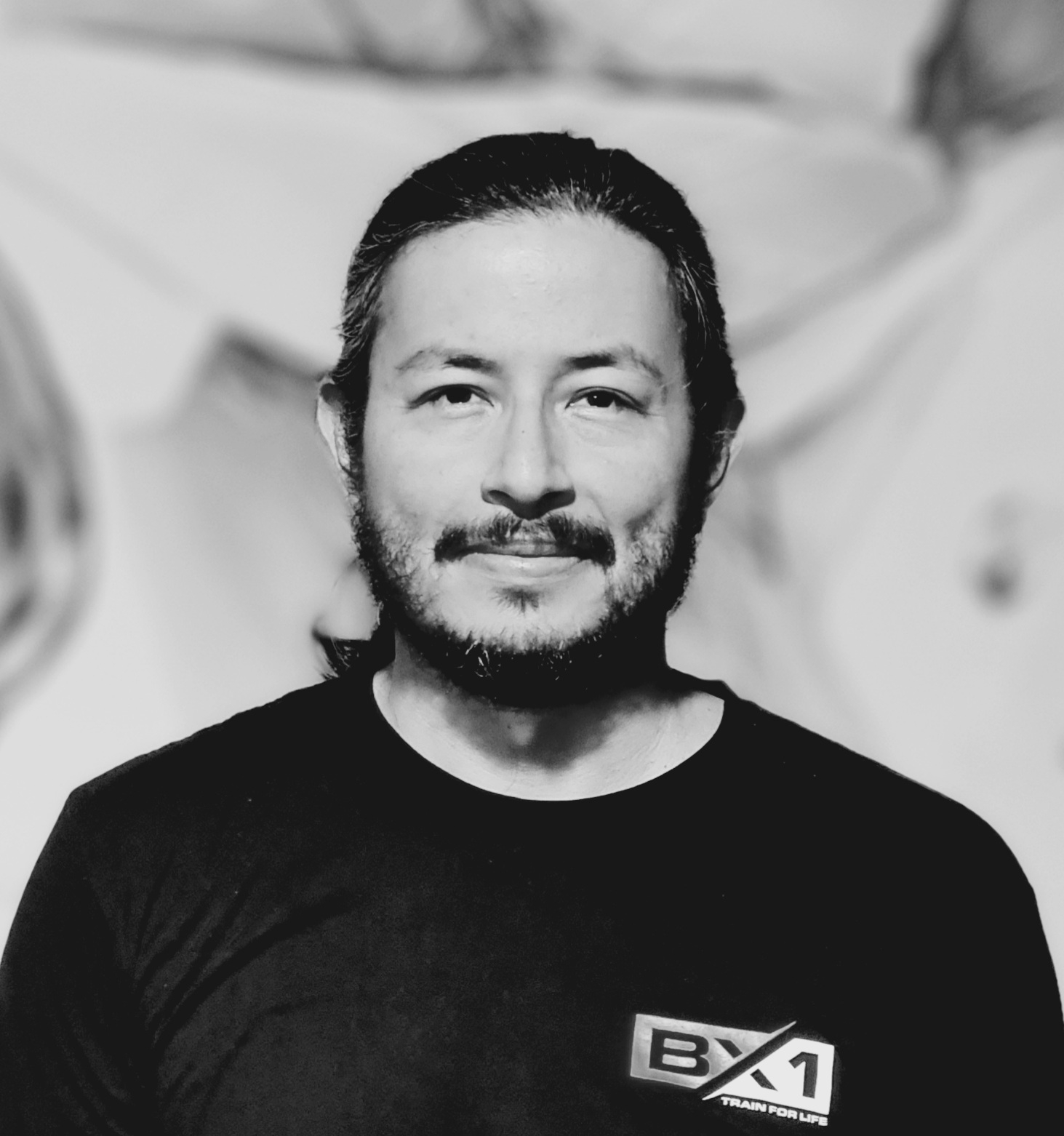
Since the beginning of the Mosman Martial Arts Academy program in 2013, Carlos Sensei has been part of the journey of BX1 children and families. Born in Colombia, he brings a lifelong passion for martial arts, with championship experience in Goju-ryu and Uechi-ryu Karate, Black Belts in Hapkido and Chinese Kickboxing, and accreditation across ITF and World Taekwondo systems.
For our youngest students, Carlos Sensei’s gentle and nurturing approach makes him especially reassuring. With patience, encouragement and positive energy, he helps children feel comfortable, enjoy their classes and gradually discover confidence in themselves.
As students grow, Carlos grows with them. His deep understanding of the BX1 program and broad martial arts experience allow him to guide students from their first steps through to higher belts, gradings, school and community demonstrations, leadership opportunities and suitable competition pathways. He has a natural ability to connect with children, make learning enjoyable and help them recognise what they are capable of achieving.
For many BX1 students, Carlos Sensei is a familiar face who has been there as they have grown—encouraging them, celebrating their progress and sharing in their journey.
 BX1 Since 2019
Tony Sensei
With more than 25 years of martial arts coaching experience, Tony Sensei has been part of the BX1 family since 2019 and has become a familiar and encouraging presence in our children’s program. His own martial arts journey began with Boxing and Judo as a junior, giving him a genuine understanding of what it feels like to start, learn new skills and work patiently towards improvement.
Tony has trained and coached across Karate, Taekwondo, Judo, Muay Thai, Boxing and Kung Fu, and competed in the first Australian Taekwondo Titles. He brings the same determination to life beyond the dojo, having completed 11 marathons—experiences that have strengthened his belief in preparation, perseverance and taking progress one step at a time.
Tony Sensei has a patient and practical approach to coaching. He breaks techniques into manageable stages and gives children the time and guidance they need to develop them properly. He brings variety, fitness and enjoyment into training while helping students understand the value of consistency and effort.
What Tony enjoys most is seeing children progress in their own way. Whether they are learning a new technique, working towards their next belt or having another go at something they once found difficult, he encourages them to keep going and take pride in how far they have come.
For Tony Sensei, one of the most rewarding moments is seeing a child master something that once seemed difficult—and knowing they reached that moment by simply keeping at it.
SAFE, PROFESSIONAL KARATE COACHING
Experienced Coaches. Age-Appropriate Teaching.
Each class emphasises safe technique, respectful behaviour, control and steady development. All BX1 instructors hold current Working With Children Checks and maintain current First Aid and CPR certifications. Coaches working with children also complete child safeguarding training.
Training takes place in BX1’s approximately 500 m², two-level Neutral Bay facility, with matted training areas and dedicated martial arts equipment.
BX1 is a proud member of Martial Arts Australia, supporting professional standards across our martial arts programs.
COMPETITION OPPORTUNITIES
For Students Who Are Ready
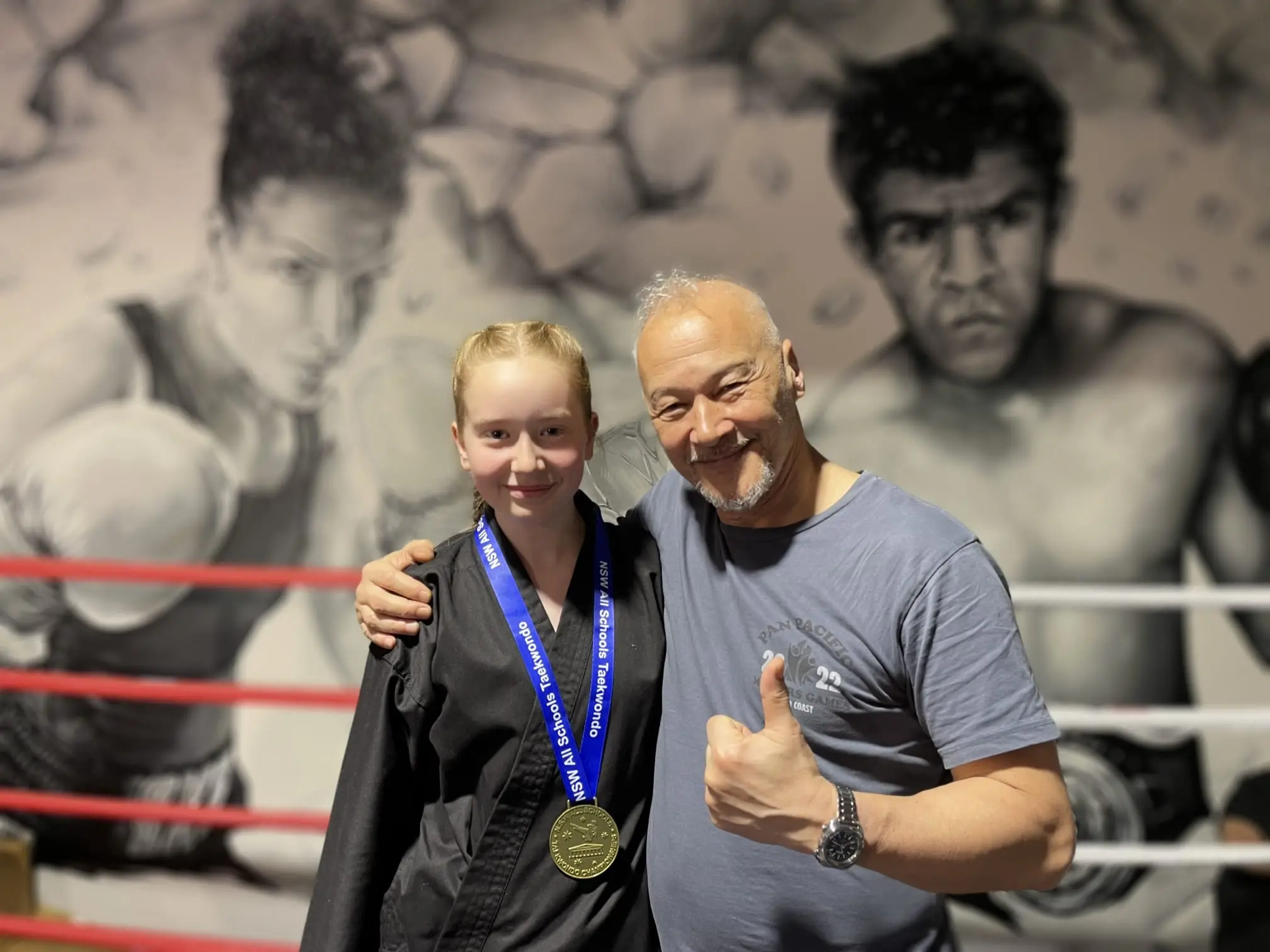
Competition opportunities may be available to suitably prepared students when appropriate events and divisions are available. Participation is optional and based on coach recommendation.
Competition remains an optional extension of training. Every student can enjoy Karate, build skills and work towards grading through their regular BX1 pathway.
BX1 is a proud member of Martial Arts Australia.
FROM MOSMAN MARTIAL ARTS ACADEMY TO BX1
BX1’s kids martial arts program began in 2013 as Mosman Martial Arts Academy, inspired by a 7-year-old’s love of martial arts. What began as a dedicated children’s academy grew into today’s BX1 Gym, bringing karate, boxing, Muay Thai, MMA, strength and fitness together under one roof in Neutral Bay.
The name and training space have evolved, but the purpose has remained the same: skilled coaching, genuine progression and a welcoming place where children can build confidence while enjoying the process.
KIDS KARATE FAQ
A Few Things Parents Often Ask
At what age can a child start Karate at BX1?
Children can start Karate at BX1 from age 3 in Little Ninjas. Little Samurai is for ages 6–8, Red Dragons for ages 9–11 and Teen Karate for ages 12+. Placement may also consider readiness, behaviour, previous experience and progression.
Does BX1 Kids Karate include Taekwondo?
Yes. Every BX1 Kids Karate class is built around Karate fundamentals and also incorporates selected age-appropriate Taekwondo kicking and movement skills. These elements broaden each child’s balance, coordination and striking foundation within the BX1 Kids Karate curriculum and belt pathway.
What style of Karate does BX1 teach?
BX1 teaches a structured Kids Karate curriculum grounded in traditional Karate fundamentals. Our Sensei team brings extensive experience across Goju-ryu and Uechi-ryu Karate, broader Japanese martial arts and Taekwondo systems. This multidisciplinary expertise allows every Kids Karate class to incorporate selected age-appropriate Taekwondo kicking and movement skills within a clear Karate curriculum and belt pathway.
Can karate help with confidence or bullying?
Karate helps children practise confidence, awareness, self-control and calm decision-making. Students learn to recognise unsafe situations, set clear boundaries, seek help from trusted adults and use physical skills safely and responsibly. This gives them practical strategies for responding to bullying and the confidence to stand up for themselves while choosing calm, safe responses.
Is kids karate safe at BX1?
Safety guides every part of BX1 Kids Karate. Children train in age-appropriate groups under experienced instructors, with skills introduced step by step and control developed before speed or power. Classes use matted training areas and suitable equipment. All BX1 instructors hold current Working With Children Checks and maintain current First Aid and CPR certifications; coaches working with children also complete child safeguarding training. This creates a structured, carefully supervised environment where children can learn and progress with confidence.
Will my child have to spar or fight?
Regular BX1 Kids Karate classes are skill-development sessions. Children practise technique, movement, pads, targets and carefully controlled partner exercises. Carefully supervised partner exercises may be used to develop timing, coordination and cooperation, but these are structured learning activities rather than fights. Competition is a separate pathway and is always optional.
What is White Tigers Mixed Martial Arts?
White Tigers is BX1’s separate Mixed Martial Arts pathway for ages 9–11, combining Karate, Taekwondo, Junior Muay Thai, Junior Boxing, Brazilian Jiu-Jitsu and wrestling. It gives suitable students a broader pathway across striking, movement and grappling.
How often should my child attend Kids Karate?
BX1 offers once-weekly and twice-weekly Kids membership options. Consistent attendance is more important than rushing progression, and the most suitable schedule depends on your child’s age, goals and timetable. The BX1 team can advise after the trial.
What does the Karate uniform and belt mean?
The Karate uniform, or gi, gives students practical training clothing and a shared sense of belonging. Caring for the gi and learning to tie the belt build responsibility and independence. The belt records the stage of the child’s learning journey and the progress earned through consistent training.
What is the BX1 Senpai pathway?
From age 9 and a minimum of Blue Belt, suitable students can begin BX1’s supervised Senpai leadership pathway. They learn to assist the Sensei and support younger students. After at least 50 supervised class assists, they earn the Senpai Dragon badge, which forms part of the BX1 Black Belt pathway.
Are competitions compulsory?
Competition is optional. Opportunities may be available to suitably prepared students when appropriate events and divisions are available, with participation based on coach recommendation. Every student can progress through regular classes and grading.
For trial clothing, parent viewing, school-holiday classes, school pick-up and parking, visit the general BX1 Kids Classes FAQ. For belt order, minimum classes, invitations and fees, visit the Karate Grading FAQ.
READY TO GET STARTED?
Start Your Child’s Karate Journey
Whether your child is trying karate for the first time or continuing previous training, BX1 offers an age-appropriate place to learn, progress and belong.
Book through the BX1 Gym app or contact our team if you need help choosing between Little Ninjas, Little Samurai, Red Dragons and Teen Karate.