PROGRESS EARNED. MOMENTS REMEMBERED.
Karate grading gives children the opportunity to demonstrate what they have learned and have their progress formally recognised.
At BX1, karate forms part of our broader kids martial arts program and follows a clear, structured belt pathway. Each new belt is earned through consistent training, skill development and readiness for the syllabus at that level. Grading is not compulsory, but it is recommended as a positive milestone that recognises a child’s effort, progress and hard work.
HOW KARATE GRADING WORKS
Children progress at their own pace. The pathway is structured, but readiness is personal.
TRAIN & BUILD SKILL
Children learn and practise the techniques in their current syllabus through regular, age-appropriate classes.
INSTRUCTOR REVIEW
BX1 reviews attendance as well as skill, control, understanding and readiness for the next level.
INVITATION & DETAILS
If nominated, the parent receives an email with the grading arrangements. The eligible-student list is also displayed at reception.
GRADE & CELEBRATE
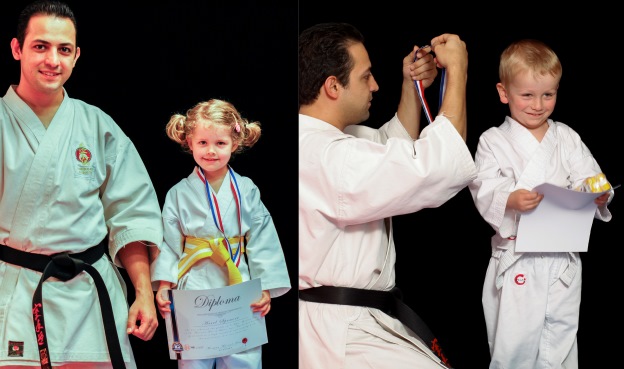
The child demonstrates the syllabus they have practised and their achievement is recognised with their new belt, medal and certificate.
HOW ELIGIBILITY IS DECIDED
THE CLASS MINIMUM
The minimum number of classes varies by program and by the belt or stripe being attempted. These minimums help make sure children have had enough guided practice before being considered for assessment.
BX1 tracks attendance, so parents do not need to calculate the class count themselves.
THE SKILL STANDARD
- The relevant minimum class requirement has been met.
- The child understands the syllabus for their current level.
- They can demonstrate the required techniques with appropriate skill and control.
- The instructor believes they are ready to attempt the next grading.
MINIMUM CLASS COMMITMENT BY BELT
These class numbers are minimum attendance guides. Grading readiness also reflects syllabus development, consistent effort and Sensei assessment. BX1 tracks attendance, so families can focus on regular training rather than counting classes themselves.
| Belt or stripe being attempted | Little Ninjas Ages 3–5 |
Little Samurai Ages 6–8 |
Red Dragons & White Tigers Ages 9–11 |
|---|---|---|---|
| Yellow Belt | 15 classes | 10 classes | 10 classes |
| Orange Belt | 25 classes | 20 classes | 15 classes |
| Green Belt / White Stripe | 30 classes | 25 classes | 20 classes |
| Green Belt / Black Stripe | 30 classes | 25 classes | 20 classes |
| Blue Belt / White Stripe | 35 classes | 30 classes | 25 classes |
| Blue Belt / Black Stripe | 35 classes | 30 classes | 25 classes |
| Purple Belt / White Stripe | 40 classes | 35 classes | 30 classes |
| Purple Belt / Black Stripe | 40 classes | 35 classes | 30 classes |
| Brown Belt / White Stripe | 55 classes | 50 classes | 50 classes |
| Brown Belt / Black Stripe | 55 classes | 50 classes | 50 classes |
| Brown Belt | 55 classes | 50 classes | 50 classes |
| Black Belt | 100 classes | 100 classes | 100 classes |
Green Belt / Black Stripe sits between Green Belt / White Stripe and Blue Belt / White Stripe, with the same minimum as Green Belt / White Stripe in every age group. The final stages are Brown Belt / White Stripe, Brown Belt / Black Stripe and Brown Belt before Black Belt.
Minimums may be reviewed as the curriculum develops. BX1 confirms the current requirement when a child is nominated. Teen Karate students should ask their Sensei to confirm the requirement for their current rank and pathway.
WHEN GRADINGS TAKE PLACE
BX1 holds four grading periods each year, generally towards the end of each school term.
ON GRADING DAY
There should be no mystery about what a child is expected to demonstrate. Nominated students have already practised the relevant syllabus in class.
IN OR AT THE END OF CLASS
Most lower-belt gradings take place during the child’s regular class or at the end of it. The invitation confirms the exact arrangement.
SEPARATE EXAM & CEREMONY
Brown and Black Belt Gradings are held as a separate examination and special ceremony. The date is arranged directly with the family within the relevant grading period.
WATCH THE MOMENT
Parents are welcome to attend lower-belt gradings, watch and record this special milestone. Brown and Black Belt examination and ceremony arrangements are agreed directly with the family.
CLEAR PRICING FOR EACH LEVEL
Only invited students who choose to participate need to pay a grading fee.
The applicable fee, early-bird deadline and payment details will be confirmed in your child’s eligibility email.
EVERY GRADING FEE INCLUDES
- Grading Examination
- New Belt
- BX1 Medal
- Certificate
WHY GRADING MATTERS
A new belt is not just a change of colour. It marks the patience, practice and confidence built along the way.
Grading gives children a clear goal and a meaningful moment of recognition. Some progress quickly in one area and need more time in another; that is a normal part of learning. At BX1, the focus is on genuine development and helping each child feel proud of progress they have truly earned.
KARATE GRADING FAQ
What determines whether my child is ready to grade?
Readiness combines the minimum class commitment with the child’s syllabus knowledge, technique, control, understanding and Sensei assessment. BX1 invites a child when these elements show they are ready to attempt the next level.
Does completing the minimum number of classes guarantee grading?
The class minimum opens eligibility for consideration. The child also demonstrates the skill, understanding and syllabus readiness required for the next level and receives an invitation from their Sensei.
Are the minimum class requirements the same for every age group?
The minimums are adjusted for Little Ninjas, Little Samurai and Red Dragons and White Tigers because each program is designed for a different stage of childhood. The full table on this page shows the current guide for every belt and stripe.
What is the BX1 Kids Karate belt order?
The pathway progresses through White, Yellow, Orange, Green with White and Black Stripe stages, Blue with White and Black Stripe stages, Purple with White and Black Stripe stages, Brown with White Stripe, Brown with Black Stripe, Brown Belt, and Black Belt.
How will I know if my child is eligible?
BX1 emails the parent or guardian of each nominated child. An eligibility list is also displayed at reception. Families register only after their child has been invited.
Is karate grading compulsory?
Grading is optional. It offers children a positive goal and formally recognises their progress, while regular classes continue to provide skill development and enjoyment throughout the pathway.
How often are gradings held?
BX1 has four grading periods each year, generally towards the end of each school term. Brown and Black Belt examination and ceremony dates are arranged directly with each family within the relevant grading period.
When and where does my child’s grading take place?
Lower-belt gradings usually take place during the child’s regular class or at the end of it. Brown and Black Belt Gradings are held as a separate examination and special ceremony. The eligibility email confirms the exact arrangements.
How much does karate grading cost and what is included?
Standard grading is $95, or $85 by the early-bird deadline. Brown and Black Belt Grading is $120, or $110 by the early-bird deadline. Every grading fee includes the examination, new belt, BX1 medal and certificate.
What if my child cannot attend this grading period?
Your child can continue training and be considered again in a future grading period. Readiness is reassessed before each grading period, and families can speak with the child’s Sensei or BX1 reception about individual circumstances.
KEEP BUILDING TOWARDS THE NEXT BELT
The best preparation is regular training, careful practice and enjoying the journey. If you have a question about your child’s progress, please speak with their instructor or the BX1 reception team.